What Ceiling Height Do You Need for a Car Lift?
Share
Ceiling height is often the single most overlooked factor when purchasing a car lift, yet it has the greatest impact on whether the system will function as intended. Many buyers focus on weight capacity or price, only to discover too late that their garage cannot accommodate the vertical clearance required for safe operation. Understanding the relationship between ceiling height and lift type is essential before making any investment.
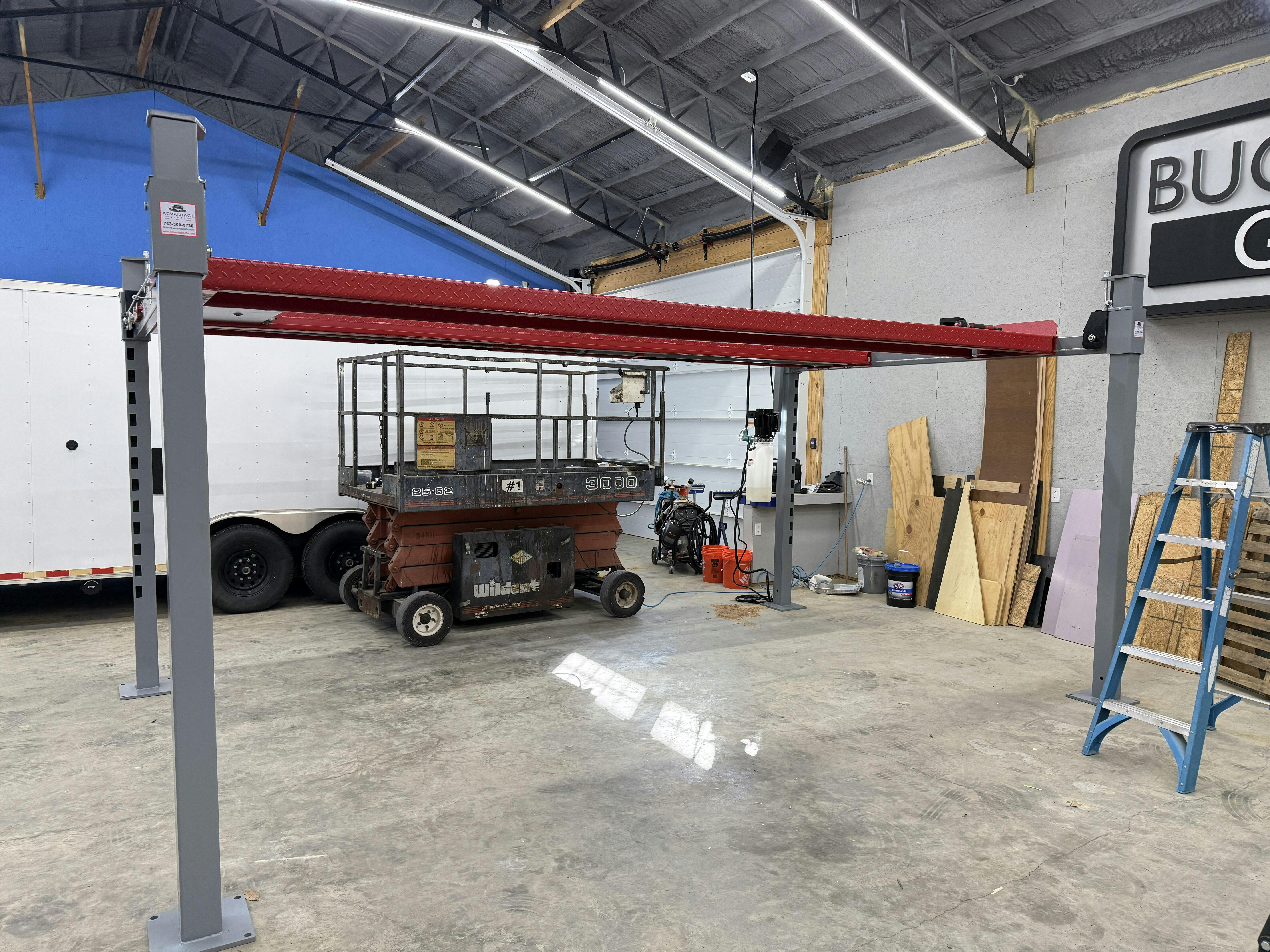
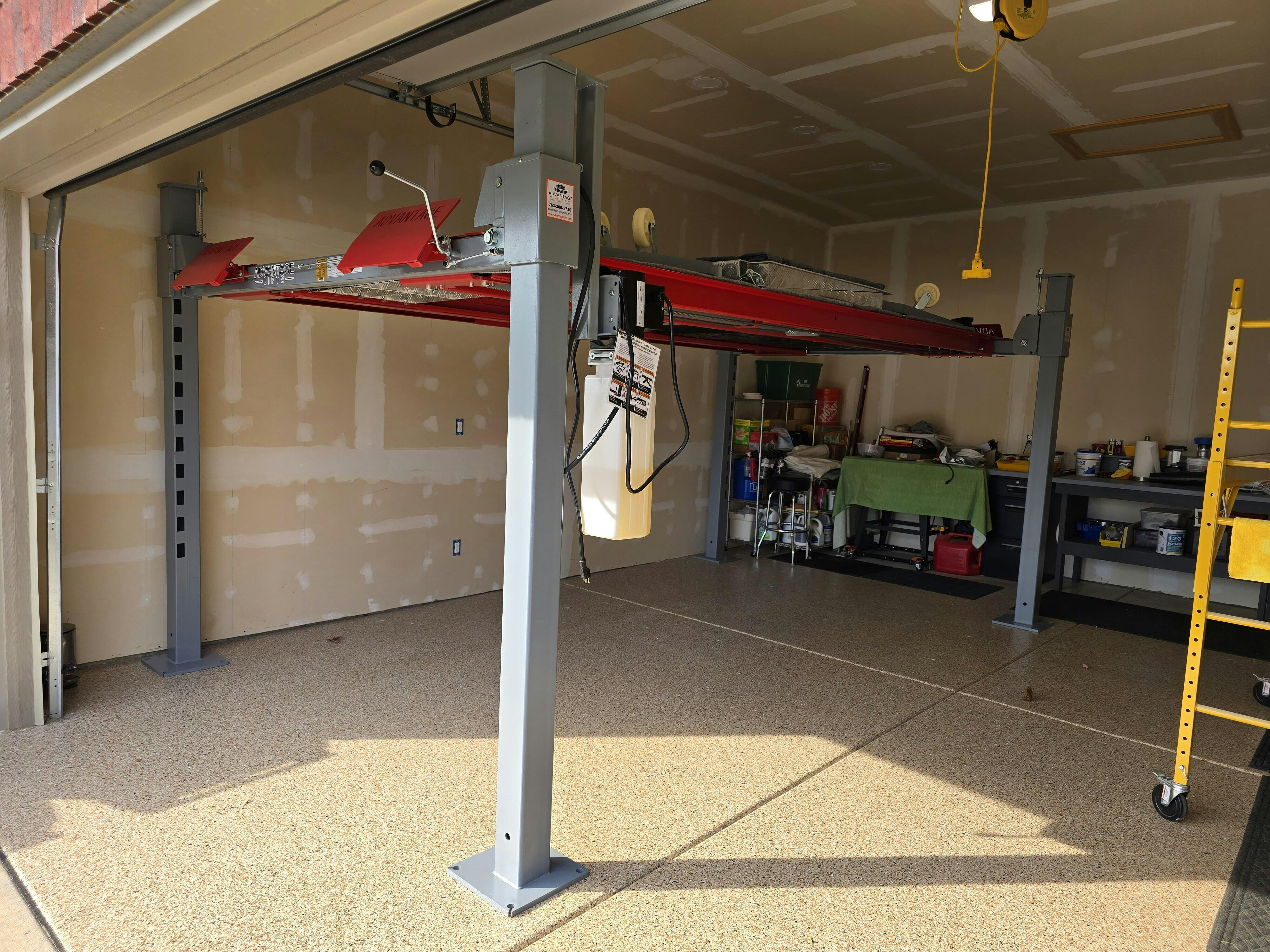
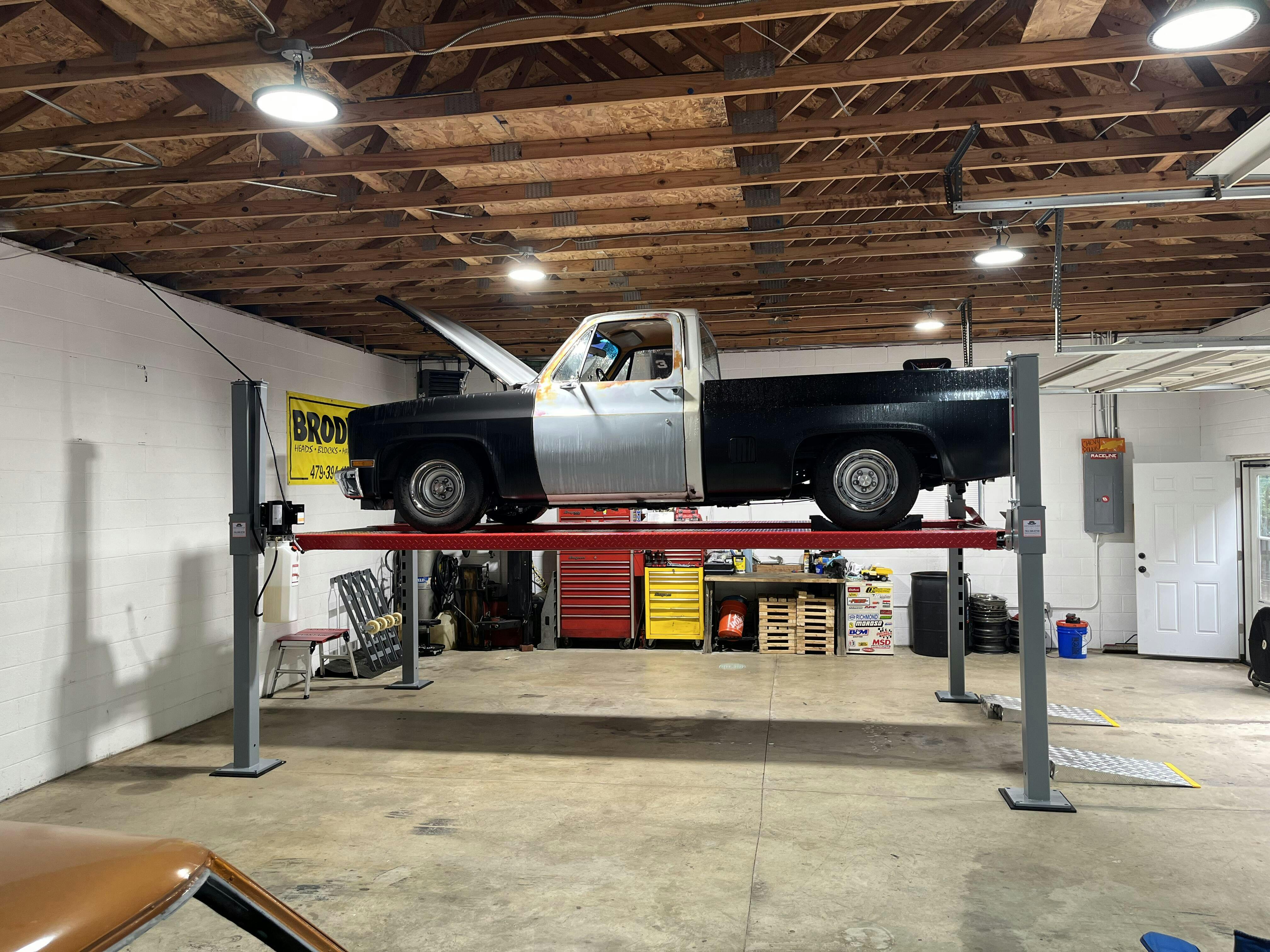
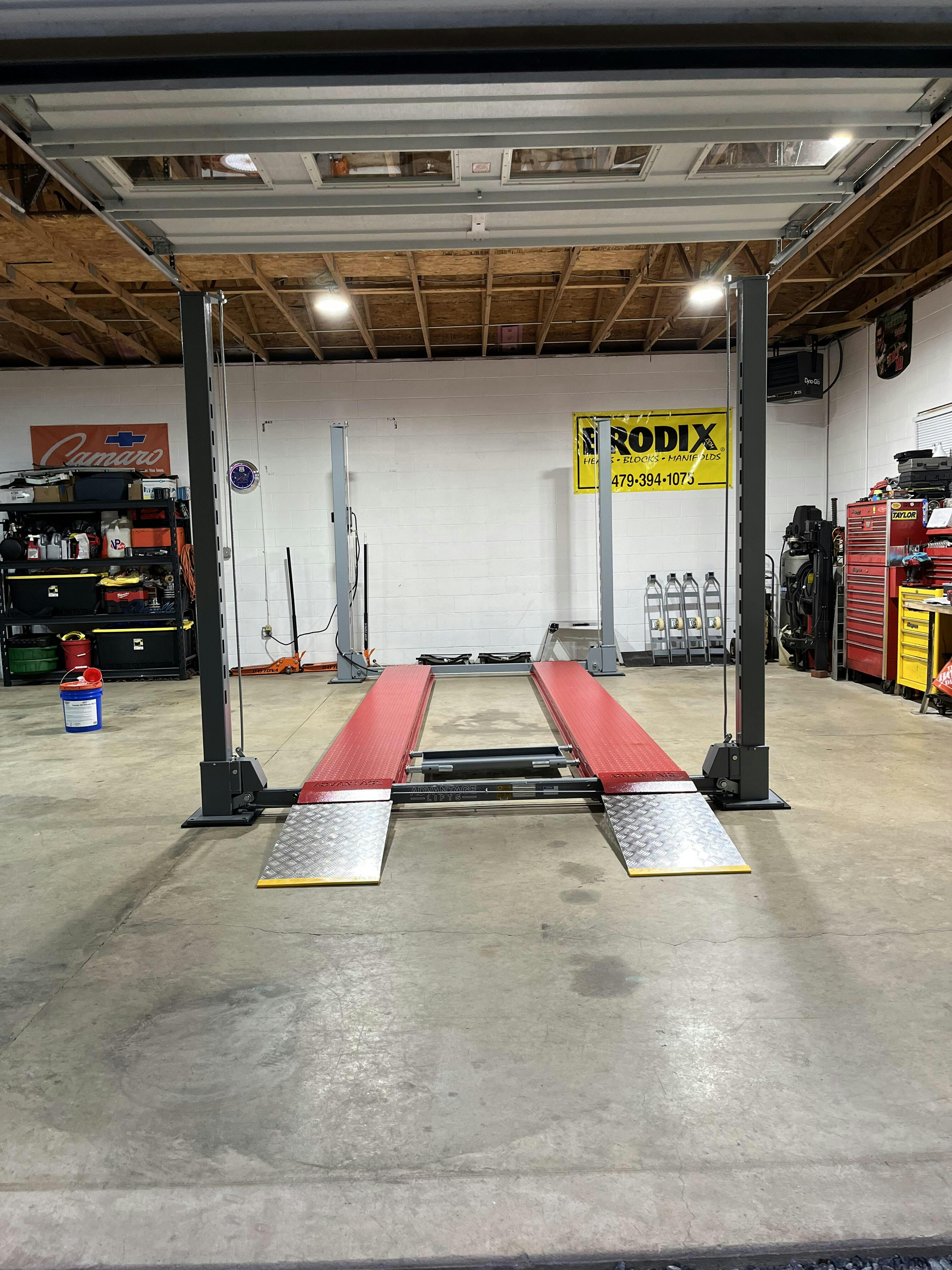
For homeowners interested in 4-post lifts, which are commonly used for vehicle storage, the minimum ceiling height typically starts at around 10 feet. However, this is often considered the bare minimum and may limit your ability to stack certain vehicle combinations. A more practical recommendation is 12 feet of clearance, which provides enough space to comfortably store a standard sedan beneath an SUV or similar vehicle. For those who want maximum flexibility and ease of use, ceilings in the 12 to 14-foot range offer the best experience, allowing for safer operation and accommodating a wider variety of vehicles.
The required height is not arbitrary but based on a straightforward calculation that combines the height of the lower vehicle, the height of the upper vehicle, and a safety buffer of several inches. For example, stacking a five-foot-tall sedan with a six-foot SUV already requires approximately 11 feet, and once you factor in clearance, the total quickly approaches or exceeds 12 feet. This is why so many experts recommend planning for extra vertical space rather than trying to operate within tight constraints.
Garage design elements can further complicate this calculation. Obstructions such as garage door tracks, openers, lighting fixtures, and ceiling beams often reduce usable clearance even if the total ceiling height appears sufficient. In many cases, homeowners can overcome these limitations by installing high-lift garage doors or switching to wall-mounted openers, both of which free up valuable overhead space. These adjustments can make the difference between a functional lift setup and one that feels cramped or unsafe.
For garages with lower ceilings, alternative lift options such as scissor lifts may provide a viable solution. While these systems do not allow for full vehicle stacking, they can still elevate a car enough for maintenance or partial storage, making them a practical compromise in tighter spaces. However, it’s important to recognize that these solutions come with trade-offs and may not deliver the same level of efficiency as a full 4-post system.
In the end, ceiling height is not just a technical requirement—it’s a strategic consideration that directly impacts usability, safety, and long-term satisfaction. Taking the time to measure accurately and plan accordingly ensures that your investment delivers the full range of benefits a car lift is designed to provide.