4 Post vs 2 Post Car Lift: Which Should You Choose?
Share
Choosing between a 4-post and a 2-post car lift is one of the most important decisions buyers face, and the right answer depends entirely on how the lift will be used. While both systems serve the same fundamental purpose of elevating a vehicle, they are designed with very different priorities in mind. Understanding these differences is key to making a decision that aligns with your goals rather than creating limitations down the road.
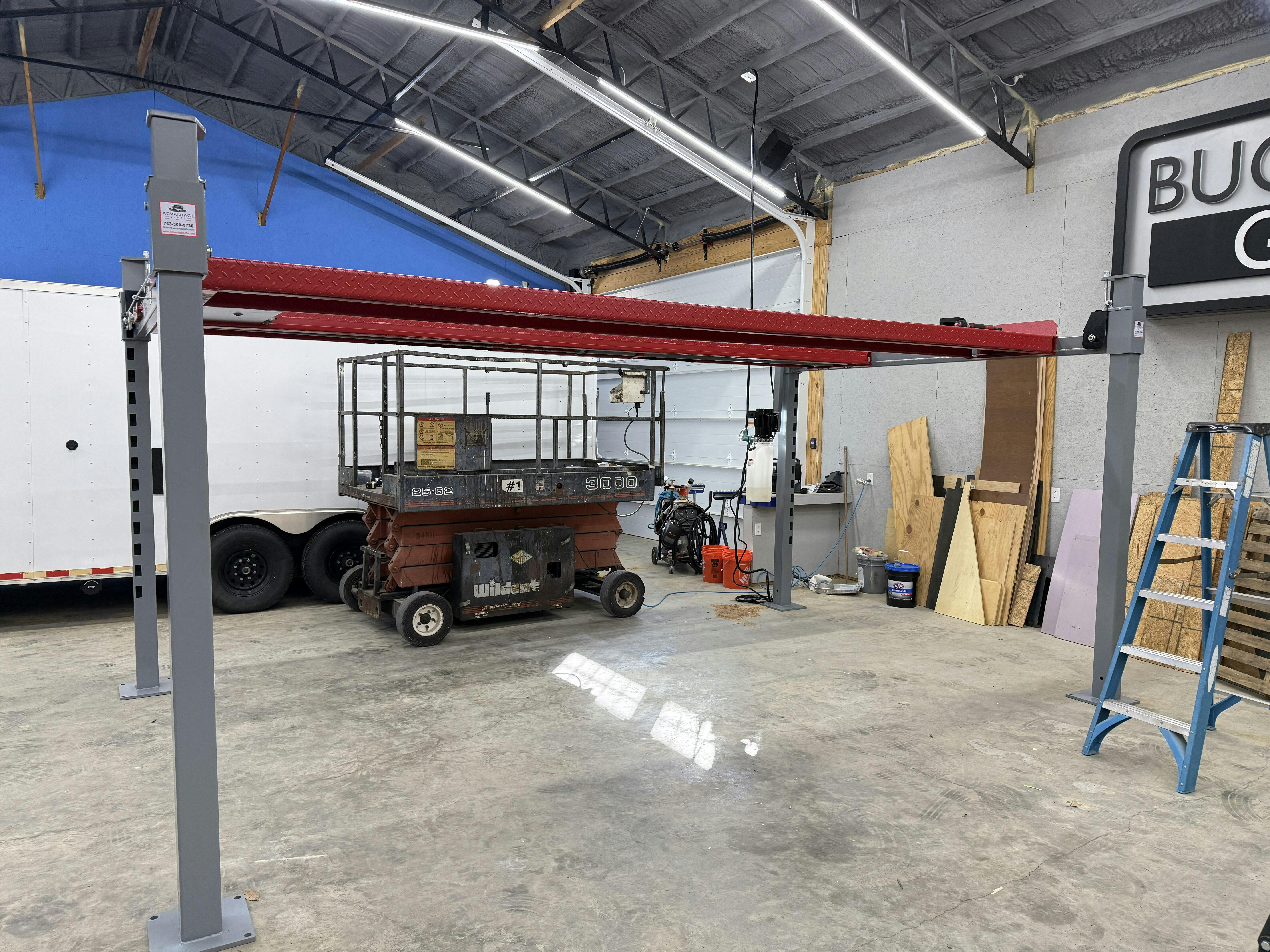
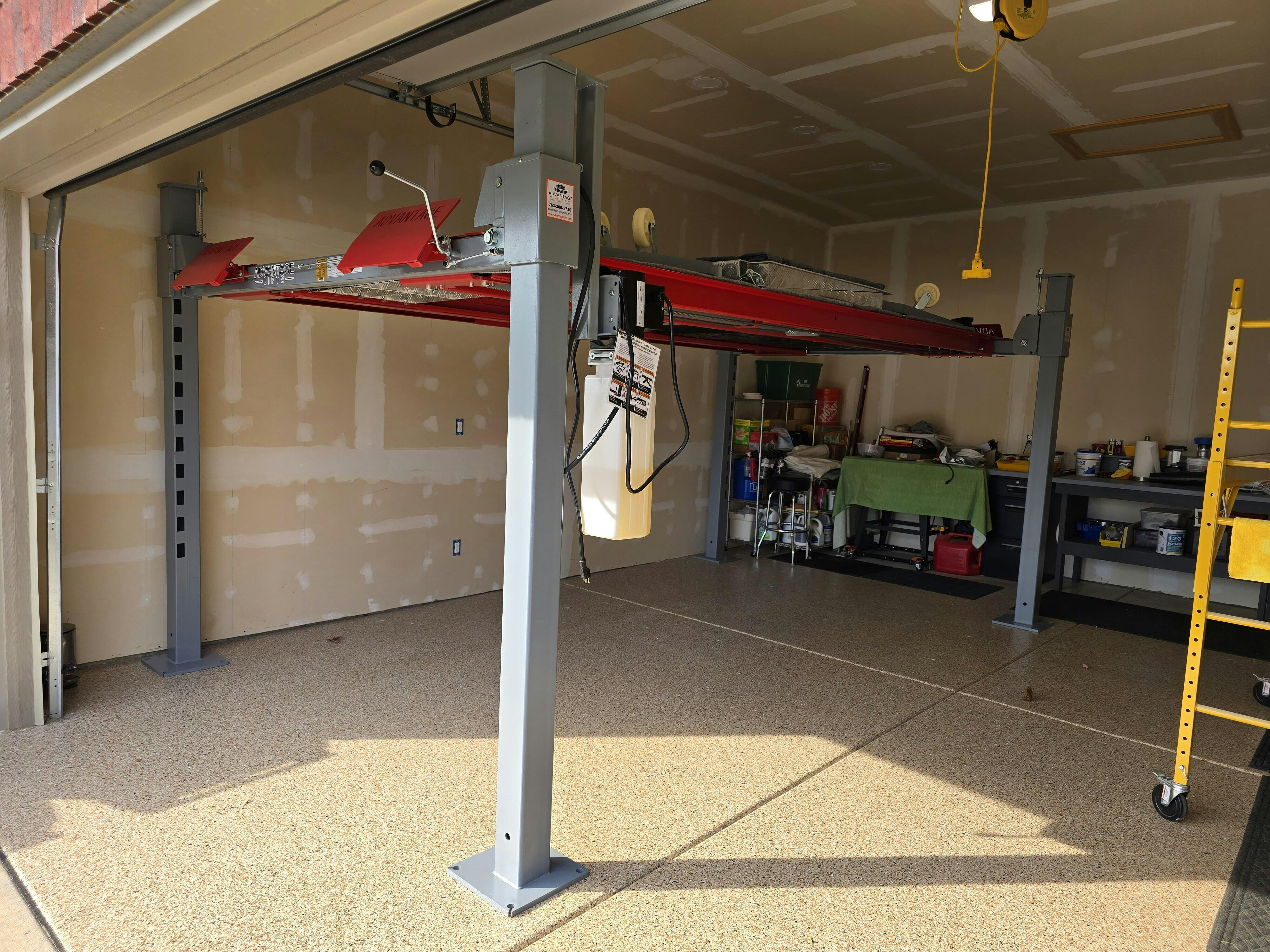
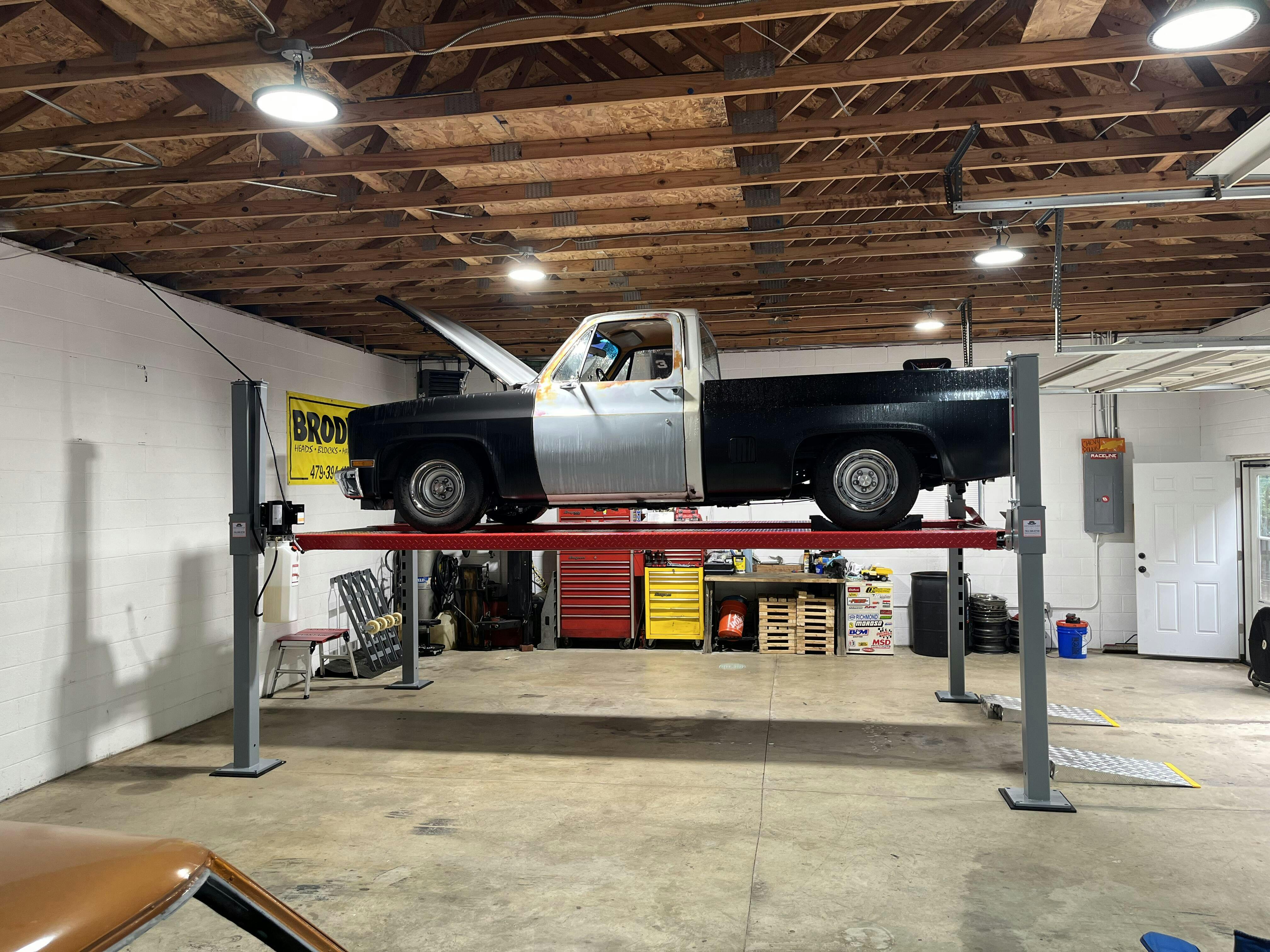
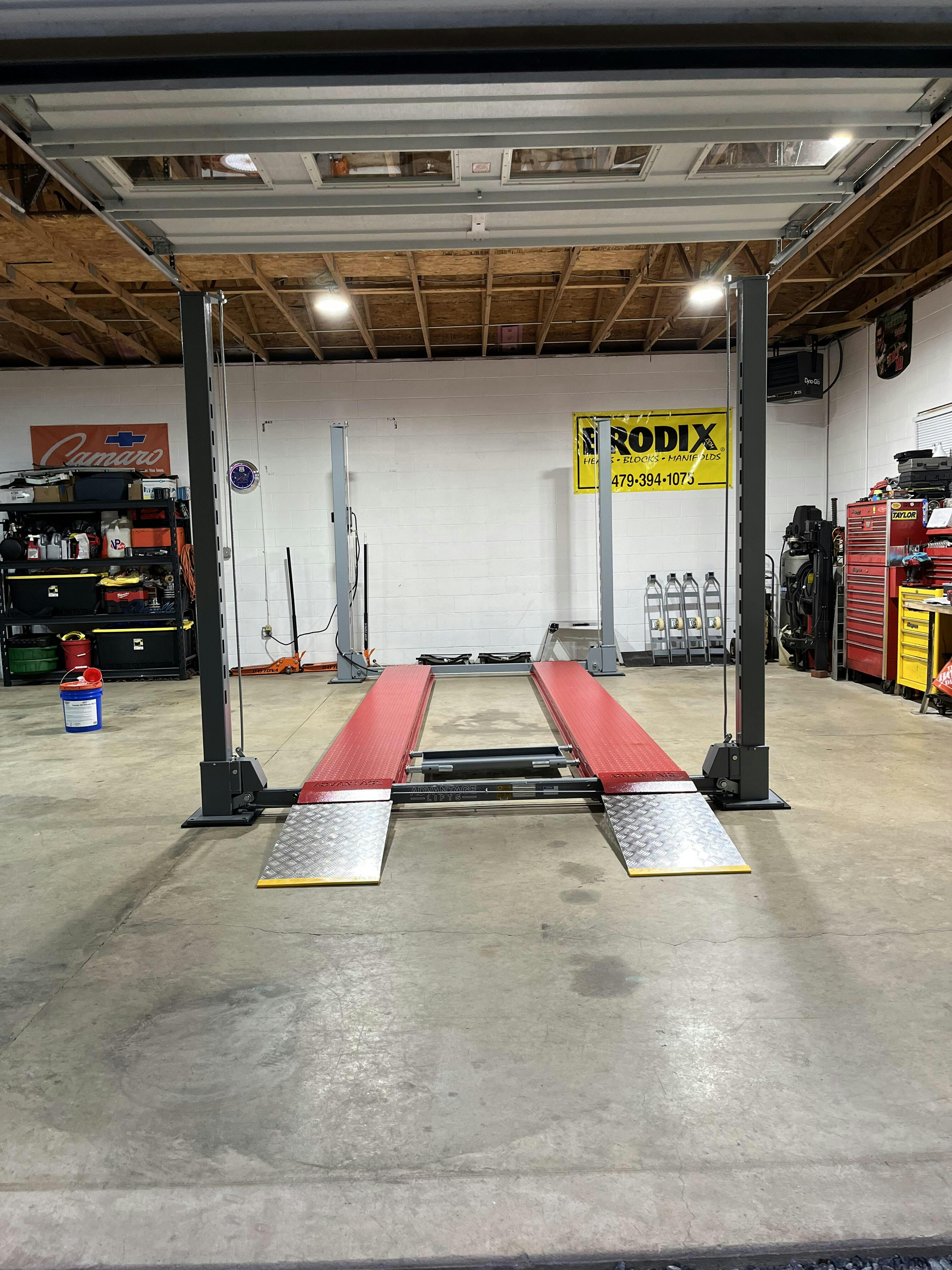
A 4-post car lift is primarily designed for storage and ease of use, making it the preferred choice for homeowners and collectors. Its structure, which supports the vehicle by the tires rather than the frame, provides exceptional stability and eliminates the need for complex anchoring systems. This design makes installation significantly simpler and reduces the learning curve for everyday use. For those looking to maximize garage space, a 4-post lift offers a straightforward way to stack vehicles safely, effectively doubling capacity without requiring structural changes to the building.
In contrast, a 2-post lift is engineered for service and maintenance rather than storage. By lifting the vehicle from its frame, it provides full access to the wheels and undercarriage, making it an essential tool for mechanics and serious DIY enthusiasts. This level of access allows for tasks such as brake work, suspension repairs, and tire changes to be performed more efficiently. However, this functionality comes at the cost of increased installation complexity, as 2-post lifts must be securely anchored to a reinforced concrete floor and require careful calibration to ensure safe operation.
The trade-offs between these two options become clear when considering real-world use cases. A homeowner who simply wants to store an additional vehicle will benefit far more from the simplicity and stability of a 4-post lift. On the other hand, someone who regularly performs mechanical work will find the accessibility of a 2-post lift indispensable. Attempting to use one system for the wrong purpose often leads to frustration, such as trying to perform detailed repairs on a 4-post lift or relying on a 2-post lift for long-term storage.
From a financial standpoint, the return on investment also differs depending on the application. A 4-post lift generates value by maximizing space and protecting vehicles, while a 2-post lift creates value by enabling service work that can either save money or generate revenue. Recognizing this distinction helps buyers align their purchase with their primary objective, ensuring they get the most out of their investment.
Ultimately, the decision comes down to a simple question: are you optimizing for storage or service? For the majority of homeowners, the answer is storage, which makes the 4-post lift the clear winner. For those who prioritize hands-on mechanical work, the 2-post lift remains an essential tool that delivers unmatched functionality.